

Introduction:
Garbage compactor trucks play a crucial role in waste management systems by collecting and compacting solid waste from various sources. These specialized vehicles are designed to maximize efficiency in waste collection and disposal processes. In this comprehensive guide, we will delve into the operation of garbage compactor trucks, exploring their key components, working mechanisms, maintenance requirements, and best practices to ensure optimal performance.
1. Overview of Garbage Compactor Trucks:
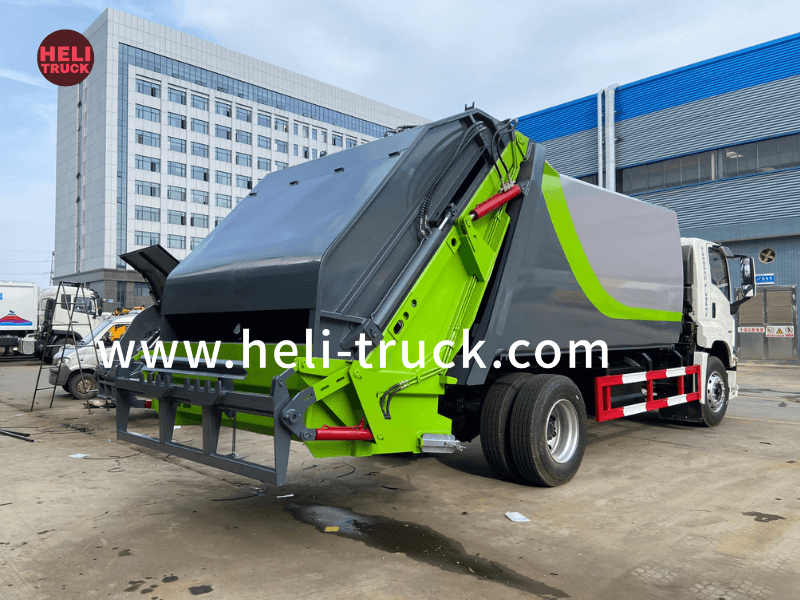
Garbage compactor trucks, also known as waste compactors or refuse collection vehicles, are specifically designed to collect, transport, and compact solid waste materials. These trucks come in various sizes and configurations to suit different waste collection needs, ranging from small residential areas to large commercial establishments. The primary objective of a garbage compactor truck is to reduce the volume of collected waste through compaction, thereby increasing the amount of waste that can be transported in a single trip.
2. Components of a Garbage Compactor Truck:
a. Cab: The cab of a garbage compactor truck houses the driver's seat, controls, and dashboard for monitoring and operating the vehicle. It provides a comfortable and ergonomic workspace for the driver during waste collection rounds.
b. Compaction Mechanism: The compaction mechanism is the heart of a garbage compactor truck, responsible for compacting solid waste into a smaller volume. This mechanism typically consists of a hydraulic press or blade that compresses the waste inside the truck's body.
c. Body: The body of a garbage compactor truck is where the solid waste is collected and compacted. It is equipped with a loading hopper, compaction chamber, and ejection system for efficient waste handling.
d. Hydraulic System: Garbage compactor trucks rely on hydraulic systems to power the compaction mechanism, lift heavy loads, and operate other essential functions. Proper maintenance of the hydraulic system is critical for the truck's performance and longevity.
e. Storage Compartment: Once the waste is compacted, it is stored in a dedicated compartment within the truck's body. This compartment should be designed to prevent leakage, odor emission, and contamination of the surrounding environment.
3. Working Mechanism of Garbage Compactor Trucks:
a. Collection: The operation of a garbage compactor truck begins with the collection of solid waste from designated pickup points, such as households, commercial establishments, or public bins. The driver navigates the vehicle to each collection point and uses the loading hopper to deposit the waste into the truck's body.
b. Compaction: Once the waste is loaded into the truck, the compaction mechanism is activated to compress the waste and reduce its volume. This process is essential for maximizing the truck's carrying capacity and minimizing the number of trips required for waste disposal.
c. Transportation: After the waste is compacted, the garbage compactor truck transports it to a designated disposal site, such as a landfill, recycling center, or waste-to-energy facility. The driver must follow safety protocols and regulations during transportation to ensure the secure transport of the waste.
d. Disposal: Upon reaching the disposal site, the compacted waste is unloaded from the truck using the ejection system. Proper disposal procedures must be followed to ensure compliance with environmental regulations and waste management guidelines.
4. Maintenance Requirements of Garbage Compactor Trucks:
a. Regular Inspections: Garbage compactor trucks should undergo regular inspections to identify any mechanical issues, hydraulic leaks, or structural damage. These inspections help prevent breakdowns and ensure the safe operation of the vehicle.
b. Hydraulic System Maintenance: The hydraulic system of a garbage compactor truck is critical for its operation. Routine maintenance, including checking fluid levels, inspecting hoses and fittings, and replacing worn-out components, is essential to keep the system functioning smoothly.
c. Cleaning and Sanitization: The body of a garbage compactor truck can accumulate dirt, debris, and residual waste over time. Regular cleaning and sanitization of the truck's interior help prevent foul odors, pest infestations, and contamination of collected waste.
d. Component Lubrication: Proper lubrication of moving parts, such as hinges, joints, and the compaction mechanism, is necessary to reduce friction, prevent wear and tear, and extend the lifespan of the truck's components.
e. Tire Maintenance: Garbage compactor trucks are subjected to heavy loads and frequent stops, leading to increased wear on tires. Regular tire inspections, pressure checks, and replacements are crucial to ensure safe driving conditions and optimal fuel efficiency.
5. Best Practices for Operating Garbage Compactor Trucks:
a. Driver Training: Proper training and certification of garbage compactor truck drivers are essential for safe and efficient operation. Drivers should be familiar with the vehicle controls, safety protocols, and waste handling procedures to prevent accidents and ensure compliance with regulations.
b. Route Optimization: Optimizing waste collection routes based on geographic locations, traffic conditions, and waste generation patterns can help reduce fuel consumption, minimize travel time, and improve overall operational efficiency.
c. Waste Segregation: Encouraging waste segregation at the source can streamline the collection process and facilitate recycling initiatives. Refuse Compactor Truck can be equipped with separate compartments for different types of waste, such as recyclables, organic waste, and general waste.
d. Emergency Preparedness: Garbage compactor truck operators should be prepared for emergencies, such as vehicle breakdowns, accidents, or hazardous waste spills. Having contingency plans, emergency contact numbers, and safety equipment on board is essential for swift and effective response.
e. Environmental Compliance: Garbage compactor trucks play a vital role in waste management and environmental protection. Operators should adhere to local regulations, disposal guidelines, and sustainability practices to minimize the impact of waste disposal on the environment.
Conclusion:
Garbage compactor trucks are indispensable assets in modern waste management systems, offering an efficient and sustainable solution for collecting and disposing of solid waste. By understanding the key components, working mechanisms, maintenance requirements, and best practices for operating these specialized vehicles, waste management professionals can enhance operational efficiency, reduce environmental impact, and improve overall service delivery. Adopting a proactive approach to garbage compactor truck operation, maintenance, and management is essential for achieving long-term sustainability in waste collection and disposal practices.